Frame Marquee Tent
ProductOverview
The frame marquee tent is a large-scale temporary fabric structure consisting of a welded aluminum primary frame clad with fire-retardant PVC-coated polyester fabric forming the roof and walls. Unlike traditional rope-and-stake marquees that rely entirely on external guy-lines and ground anchors, the frame marquee transfers its primary loads through a rigid skeletal structure to ground-level base plates, allowing deployment on paved surfaces, parking lots, or indoor floors without ground penetration. The structure is rated for 40 mph wind and 50 mm/hr rainfall, suitable for outdoor festivals, corporate events, product launches, and temporary shelter applications. A standard 10 m × 20 m tent accommodates 40–80 persons depending on furnishing and layout. Setup requires 6–8 hours with a trained crew; larger structures (15 m × 30 m) require proportionally more time and bracing.
Frame design and materials
The Aluminum Frame is the primary load-bearing structure, constructed from aluminum 6061-T6 (marine-grade alloy) to balance strength and corrosion resistance. The frame consists of four main components: (1) perimeter columns (100 × 100 × 4 mm box-beam, welded at corners), (2) ridge beam (same profile, running the tent length), (3) secondary purlins (75 × 75 mm tube, perpendicular to ridge, spacing 1 m on center), and (4) diagonal bracing (40 × 40 mm angle, cross-bracing the frame to resist racking). All connections are bolted using Grade 8.8 stainless steel bolts with lock washers; bolted assemblies are preferred over welding to allow field disassembly and transport.
The primary load path is as follows: roof loads (dead load of fabric, rainfall, wind uplift) are distributed to the purlins, which transfer loads to the ridge beam and perimeter columns. Wind loads (horizontal pressure) are resisted by diagonal bracing in the plane of the frame sides (end walls). The four Base Plate anchors at the base receive the combined vertical and horizontal loads, transmitting them to the ground via bolts into driven anchors or fixed footings. Deflection analysis shows less than 50 mm vertical sag at the center of a 10 m span under 50 mm rainfall, well within acceptable limits for fabric-clad structures.
Roof and wall fabric
The Roof Fabric is cut and heat-welded from PVC-coated polyester panels (650 gsm weight). Each panel is pre-cut to match the exact roof geometry (pitch, width, length) based on detailed CAD layouts. Heat-welding at the factory ensures all seams are airtight; the seams are further sealed with Sealing Tape, an adhesive-backed PVC tape applied over the heat-welded joint. The fabric is fire-retardant (FR-rated per NFPA 701) and UV-resistant, maintaining structural integrity for 5–7 years in continuous outdoor exposure. The fabric is attached to the frame via stainless steel eyelets (40 mm diameter, spaced 0.5 m around the perimeter) sewn into the fabric hem. The Tensioning Cable system (galvanized steel wire rope, 8 mm diameter) threads through these eyelets and is tensioned via Turnbuckle, pulling the fabric into intimate contact with the frame structure. Proper tensioning is critical: under-tensioning causes fabric to sag and allows water to pool; over-tensioning can tear the fabric. Typical prestress is 50–100 daN per cable, checked with a tension meter before final assembly.
The Wall Fabric comprises vertical panels attached to the frame via a Wall Rail, an aluminum extrusion track running the full perimeter at the top of the wall. Fabric panels slide into this track via aluminum slider blocks, allowing vertical height adjustment or panel removal for ventilation. One or two walls typically feature a Door Frame, an aluminum-framed entry portal with a zippered mesh panel. The mesh is open-weave (allowing ventilation but excluding insects) and is fully zippered, permitting complete closure during high wind or rain events. The door frame is hinged at the base (for swing entry) or mounted on a slider track (for sliding entry), depending on space constraints and event type.
Drainage and weather management
Rainfall is managed via the Gutter Drainage system, a perimeter aluminum gutter (100 mm profile) bolted to the frame structure. The gutter collects runoff from the pitched roof and directs it downward via downspout extensions that terminate at ground level, away from the tent interior. For large structures, multiple downspouts (typically one per 10 m of perimeter) prevent backup and overflow. The gutter is pitched (slope 1%) toward downspouts to prevent standing water. Interior condensation (from body heat and respiration during humid conditions) is managed by natural air exchange through the mesh entry panel or optional side vents in the wall fabric.
Wind performance and tensioning
Wind loads are resisted through a combination of frame rigidity and fabric prestress. The diagonal bracing in the frame walls prevents racking; the Tensioning Cable system holds the roof fabric taut, preventing flutter and billowing that could damage seams. The rope tension is critical: visual flutter (fabric billowing, visible ripples) indicates under-tensioning and requires re-tightening via the Turnbuckle. In extreme wind (gusts above 40 mph), the structure is designed to be taken down; the fabric is removed from eyelets and stored, and the frame is either braced with additional temporary guy-lines or disassembled. A properly maintained frame marquee has survived 35+ mph sustained wind and 50+ mph gusts without structural failure.
Installation and assembly
Setup begins with site preparation: ground is leveled and the perimeter is marked with chalk or stakes to define the tent footprint. The four Base Plate anchors are positioned (typically bolted to pre-drilled concrete pads or driven anchor bolts), and the aluminum frame is assembled on-site (or delivered partially assembled from the factory). The frame is lifted onto the base plates and bolted down. The Roof Fabric is then unrolled and lifted onto the frame purlins, with operators guiding eyelets onto the frame structure. The Tensioning Cable is threaded through all eyelets and tensioned via turnbuckles in a specific sequence (usually starting at the ridge and working outward and downward) to ensure even prestress. The Wall Fabric panels are then slid into the wall rails and secured. The Gutter Drainage downspouts are attached. Finally, the Door Frame door is hung and latched. A trained 4-person crew can complete a 10 m × 20 m tent in 6–8 hours, with larger structures requiring proportionally more time.
Maintenance and service
Monthly (or after each event): inspect the Roof Fabric for punctures or tears using visual inspection and soapy water (bubbles indicate micro-leaks). Check all eyelets for tears in surrounding fabric; if fabric is tearing away from an eyelet, the eyelet must be re-sewn (field repair involves removing the cable, cutting a new eyelet hole 25 mm away from the damaged one, and re-installing the eyelet). Inspect the Tensioning Cable for kinks or rust spots; if corrosion is visible, the rope should be replaced. Check all Turnbuckle connections for loose threads; tighten hand-tight annually.
Annually: inspect all aluminum bolts and brackets for white powder corrosion (aluminum oxide); this is normal and protective, but excessive corrosion indicates the anodized coating is compromised and the bolt should be replaced with a stainless steel alternative. Run the Gutter Drainage system through a complete rain cycle (or pressure-wash test) to verify downspout function. The structure is designed for 5–7 years of continuous outdoor exposure; after that time, the Roof Fabric and Wall Fabric should be evaluated for UV degradation, tear susceptibility, and waterproofing. Fading is cosmetic and does not indicate functional failure; loss of fire-retardant properties is not visually obvious but can be tested via NFPA 701 re-cert (approximately USD 200 per sample).
Customization and optional features
Fabric color and printing: standard colors are white, cream, and gray; custom colors can be ordered (lead time 6 weeks). The roof fabric can be printed with company logos, event names, or decorative patterns using dye-sublimation ink, viewable both from inside (inverted) and outside (forward). This is typically done at the factory before fabric heat-welding.
Interior Lighting: optional LED strip lighting or spotlights (24 V DC) can be mounted to the frame purlins, providing ambiance for evening events. A dimmer control allows intensity adjustment. An external solar panel and battery can power the lights autonomously if mains power is unavailable.
Flooring: a structural floor is not part of the base frame marquee design; event organizers typically install a separate wooden or rubber flooring system (removable sections or interlocking tiles) for aesthetic and comfort reasons.
Windows and ventilation: transparent (clear polycarbonate) panels can replace opaque wall sections, providing views out while maintaining weather protection. Roof vents (removable panels) can be installed at the ridge or sides for active ventilation in summer applications.
Scale: frame marquees range from 6 m × 10 m (wedding ceremonies, small gatherings) to 30 m × 50 m (large festivals, trade shows). Structural design and assembly time scale non-linearly with size; very large tents (> 25 m span) require engineered designs and professional installation crews, with setup times of 3–4 days.
Frame Marquee Tent parts and their functions
8 top-level parts · 113 parts in total · full bill of materials below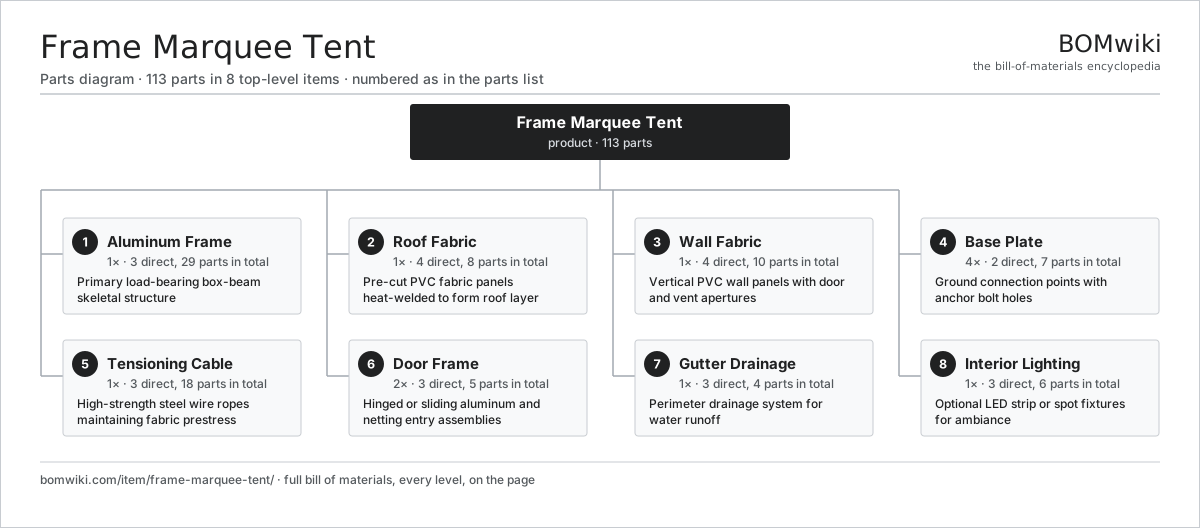
| # | Part | Qty | What it does |
|---|---|---|---|
| 1 | Aluminum Frame 3 parts | 1× | Primary load-bearing box-beam skeletal structure |
| 2 | Roof Fabric 4 parts | 1× | Pre-cut PVC fabric panels heat-welded to form roof layer |
| 3 | Wall Fabric 4 parts | 1× | Vertical PVC wall panels with door and vent apertures |
| 4 | Base Plate 2 parts | 4× | Ground connection points with anchor bolt holes |
| 5 | Tensioning Cable 3 parts | 1× | High-strength steel wire ropes maintaining fabric prestress |
| 6 | Door Frame 3 parts | 2× | Hinged or sliding aluminum and netting entry assemblies |
| 7 | Gutter Drainage 3 parts | 1× | Perimeter drainage system for water runoff |
| 8 | Interior Lighting 3 parts | 1× | Optional LED strip or spot fixtures for ambiance |
3D model
No 3D model yet. Have a CAD file of this? Add a 3D model. STL renders right on this page; STEP, FreeCAD, and OpenSCAD sources are welcome too (openly licensed, like all 3D models on BOMwiki).
Build & assembly graph
expand / collapse · shared sub-assemblies converge · links to related products · est. labourTap an assembly to expand/collapse · tap a part to open it · use “Open page” for any node · drag to pan, scroll to zoom.
Bill of materials for Frame Marquee Tent
8 top-level lines · 36 rows shown · 113 parts total · indented to 3 levels| # | Item / sub-assembly | Part no. | Qty/assy | Ext. qty | Parts | Type |
|---|---|---|---|---|---|---|
| 1 | Aluminum Frame 3 parts | frame-marquee-tent-aluminum-frame | 1× | 1 | 29 | assembly |
| 1.1 | Motor Housing | motor-housing | 26× | 26 | · | part |
| 1.2 | Fastener Set | fastener-set | 2× | 2 | · | part |
| 1.3 | Base Connector | frame-marquee-tent-base-connector | 1× | 1 | · | part |
| 2 | Roof Fabric 4 parts | frame-marquee-tent-roof-fabric | 1× | 1 | 8 | assembly |
| 2.1 | Sheet Metal Panel | sheet-panel | 4× | 4 | · | part |
| 2.2 | Sealing Tape | frame-marquee-tent-fabric-tape | 1× | 1 | · | part |
| 2.3 | Fastener Set | fastener-set | 2× | 2 | · | part |
| 2.4 | Connector | connector | 1× | 1 | · | part |
| 3 | Wall Fabric 4 parts | frame-marquee-tent-wall-fabric | 1× | 1 | 10 | assembly |
| 3.1 | Sheet Metal Panel | sheet-panel | 3× | 3 | · | part |
| 3.2 | Wall Rail | frame-marquee-tent-wall-rail | 1× | 1 | · | part |
| 3.3 | Door Frame 3 parts | frame-marquee-tent-door-frame | 1× | 1 | 5 | assembly |
| 3.3.1 | Motor Housing | motor-housing | 1× | 1 | · | part |
| 3.3.2 | Fastener Set | fastener-set | 3× | 3 | · | part |
| 3.3.3 | Connector | connector | 1× | 1 | · | part |
| 3.4 | Fastener Set | fastener-set | 1× | 1 | · | part |
| 4 | Base Plate 2 parts | frame-marquee-tent-base-plate | 4× | 4 | 7 | assembly |
| 4.1 | Sheet Metal Panel | sheet-panel | 1× | 4 | · | part |
| 4.2 | Fastener Set | fastener-set | 6× | 24 | · | part |
| 5 | Tensioning Cable 3 parts | frame-marquee-tent-tensioning-cable | 1× | 1 | 18 | assembly |
| 5.1 | Wire Bundle | wire-bundle | 8× | 8 | · | part |
| 5.2 | Turnbuckle | frame-marquee-tent-turnbuckle | 8× | 8 | · | part |
| 5.3 | Fastener Set | fastener-set | 2× | 2 | · | part |
| 6 | Door Frame 3 parts | frame-marquee-tent-door-frame | 2× | 2 | 5 | assembly |
| 6.1 | Motor Housing | motor-housing | 1× | 2 | · | part |
| 6.2 | Fastener Set | fastener-set | 3× | 6 | · | part |
| 6.3 | Connector | connector | 1× | 2 | · | part |
| 7 | Gutter Drainage 3 parts | frame-marquee-tent-gutter-drainage | 1× | 1 | 4 | assembly |
| 7.1 | Motor Housing | motor-housing | 1× | 1 | · | part |
| 7.2 | Connector | connector | 2× | 2 | · | part |
| 7.3 | Fastener Set | fastener-set | 1× | 1 | · | part |
| 8 | Interior Lighting 3 parts | frame-marquee-tent-interior-lighting | 1× | 1 | 6 | assembly |
| 8.1 | Connector | connector | 4× | 4 | · | part |
| 8.2 | Power Supply | power-supply | 1× | 1 | · | part |
| 8.3 | Fastener Set | fastener-set | 1× | 1 | · | part |
Something wrong in this list? Report a problem with this BOM.
Related products
same domain, ranked by shared parts Air Dancer
46 parts · shares 4 with this page
Air Dancer
46 parts · shares 4 with this page
 Precast Concrete Mold
493 parts · shares 4 with this page
Inflatable Arch
54 parts · shares 3 with this page
Portable Stage Deck
94 parts · shares 3 with this page
Precast Concrete Mold
493 parts · shares 4 with this page
Inflatable Arch
54 parts · shares 3 with this page
Portable Stage Deck
94 parts · shares 3 with this page
 Exhibition Booth System
91 parts · shares 3 with this page
Exhibition Booth System
91 parts · shares 3 with this page
 Magnetic Lock
24 parts · shares 3 with this page
Magnetic Lock
24 parts · shares 3 with this page
Sourcing: possible vendors
Browse the supplier directory → Prices, MOQ, and lead times are algorithmic estimates, not quotes, and not claims about these companies. Company mappings are curated by keyword; est. price band $50–$10k. How estimates work| Vendor | HQ | Specialty | MOQ | Lead time |
|---|---|---|---|---|
| assaabloy.com ↗ | Stockholm, SE | Locks & access | 1,000 units | 8–12 wks |
|
🇺🇸Allegion
allegion.com ↗
|
Dublin, US | Security products (Schlage) | 1,000 units | 8–12 wks |
| dormakaba.com ↗ | Rümlang, CH | Access & door systems | 1,000 units | 8–12 wks |
| honeywell.com ↗ | Charlotte, US | Building & safety tech | 1,000 units | 8–12 wks |
| hikvision.com ↗ | Hangzhou, CN | Surveillance & security | 1,000 units | 8–12 wks |
1,576-word article