Servo Motor
AssemblyOverview
A servo motor is a motor built to be commanded precisely. On its own it is an ordinary electric motor, but it ships with a feedback device and is always run by a matching drive that closes a control loop around position, speed, and torque. The drive compares where the shaft actually is against where it was told to be and corrects the difference hundreds or thousands of times a second. That closed loop is the whole point: a servo motor does not just spin, it goes to a commanded angle and holds it.
This is why servo motors turn up wherever motion has to be accurate and repeatable. On BOMwiki the same Servo Motor node is shared by around 160 products, from a CNC Milling Machine to an AGV Mobile Robot to packaging and textile machinery, which is a good measure of how universal the part is.
What they are known for
Servo motors are known for a specific combination of traits that ordinary motors lack:
- Precise positioning. With a high-resolution encoder the shaft can be commanded to a fraction of a degree and will return to the same spot every cycle.
- Fast, controlled acceleration. A low rotor inertia and high peak torque let a servo snap to speed and stop cleanly without overshoot, which is what makes pick-and-place and CNC moves both quick and exact.
- Holding torque at zero speed. A servo can sit still under load and actively resist being pushed off position, unlike a plain motor that simply coasts.
- Torque, velocity, or position control on demand. The same motor and drive can run any of the three modes, so one part covers winding tension, constant-speed conveying, and indexed positioning.
How it works
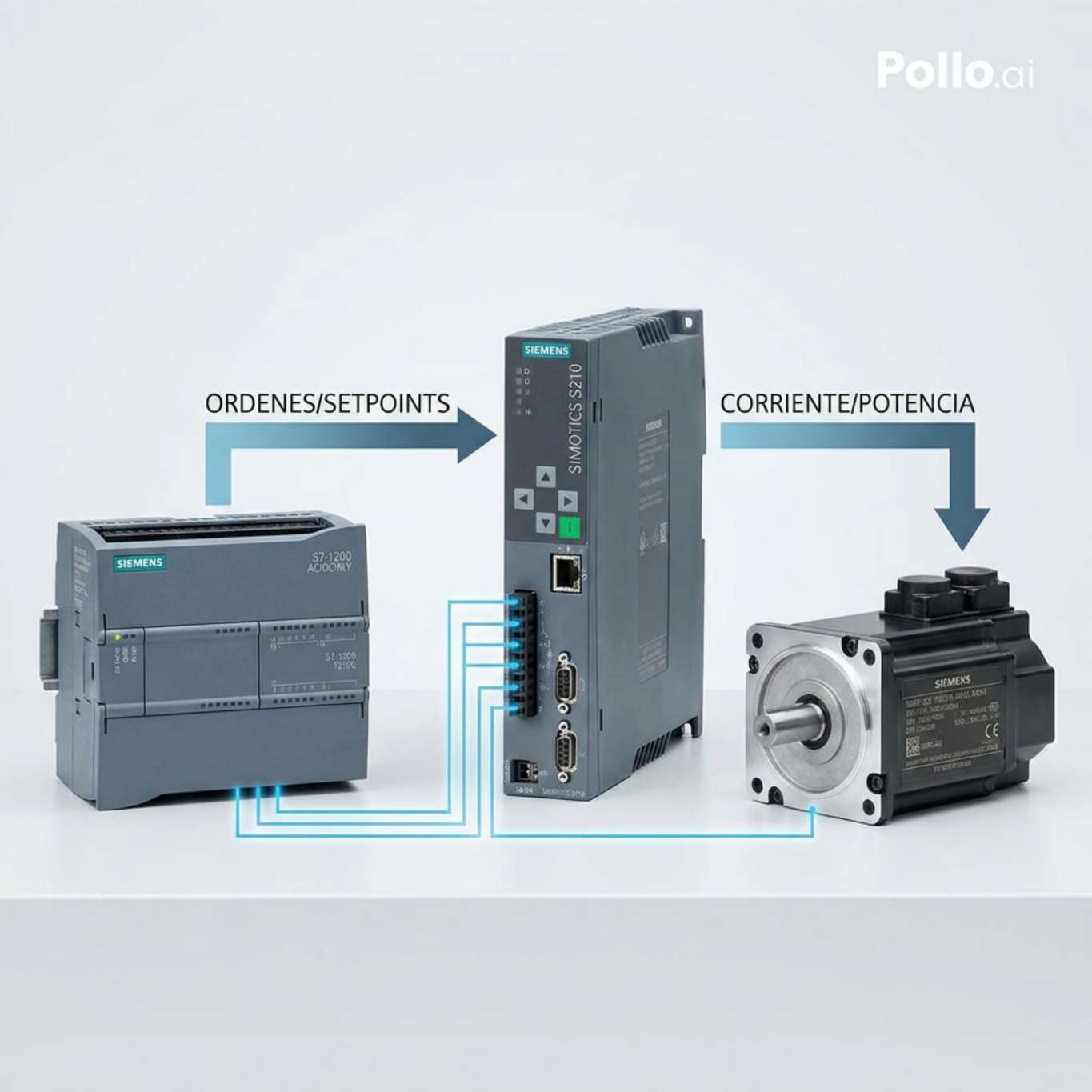
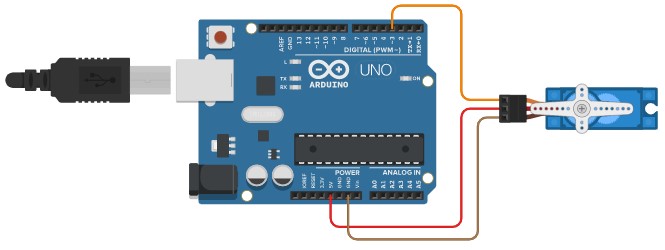
The motor itself is usually a brushless permanent-magnet synchronous machine: a wound Stator Assembly surrounds a magnet Rotor Assembly inside the Motor Housing. What makes it a servo is the Encoder on the shaft, which reports angle (and from it, speed) back to the drive. The drive runs nested loops: an inner current loop sets torque, a velocity loop around it sets speed, and an outer position loop drives the shaft to the commanded angle. Because the loop is closed on real feedback, the system rejects load disturbances and corrects its own error rather than running open-loop and hoping.
Construction and gearing
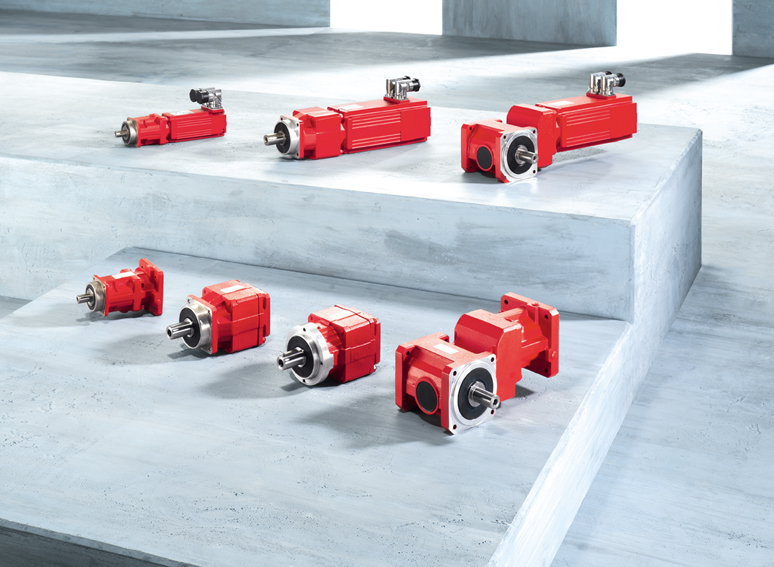
Most servos pair the motor with a precision reduction stage so the load sees high torque at a controllable speed. The gearing also multiplies the effective resolution of the feedback device at the output shaft. Industrial units integrate the gearhead, motor, and encoder into one sealed package.
Types
Industrial servos are mostly brushless AC (PMSM) for their high torque density and clean control. Brushed DC servos still appear in cost-sensitive and hobby gear. Feedback ranges from incremental and absolute optical encoders to rugged resolvers on machines with shock and heat. Rotary servos drive most axes, while linear servo motors apply the same closed-loop idea directly to straight-line motion without a leadscrew. Many vertical-axis servos add a fail-safe brake so the load does not drop when power is removed.
Where they are used
Anywhere motion is the product: machine tools and CNC axes, industrial robots and AGV Mobile Robot drives, semiconductor and electronics assembly, printing and converting, packaging, and textile machinery. The defining requirement is always the same, motion that is accurate, repeatable, and responsive under changing load, which is exactly what the closed loop around the motor delivers.
Bill of materials for Servo Motor
4 top-level lines as of r210| # | Item / sub-assembly | Part no. | Qty/assy | Ext. qty | Parts | Type |
|---|---|---|---|---|---|---|
| 1 | Stator Assembly 3 parts | stator-assembly | 1× | 1 | 0 | assembly |
| 2 | Rotor Assembly 4 parts | rotor-assembly | 1× | 1 | 0 | assembly |
| 3 | Encoder | encoder | 1× | 1 | · | part |
| 4 | Motor Housing | motor-housing | 1× | 1 | · | part |
749-word article